A Home Energy Audit: How It Works and Why It's Important
A home energy audit helps you identify areas where your home wastes energy, offering valuable tips to improve efficiency, lower bills, and boost comfort. By addressing gaps in insulation, HVAC, and appliances, you could save money on your monthly utility bills and take advantage of tax incentives.
Key Takeaways
A home energy audit identifies inefficiencies to reduce energy bills and increase comfort.
Insulation, HVAC, and appliances are key areas auditors assess to optimize energy use.
Prioritize improvement recommendations based on cost and potential savings for your unique home.
Managing home expenses can be tricky, but reducing your energy bill doesn’t have to be. One of the easiest ways to save money is by making your home more energy-efficient. A home energy audit helps you find where your home is wasting energy and provides solutions to fix it—leading to real savings on utility bills.
What is a Home Energy Audit?
A home energy audit is a detailed assessment of your home’s energy use. A professional auditor inspects key areas like insulation, windows, heating and cooling systems, and appliances to find areas where energy is being wasted. They then provide personalized recommendations to improve your home’s efficiency.
Why You Should Get a Home Energy Audit
A home energy audit is one of the most effective ways for homeowners to reduce energy waste and lower monthly utility costs. Here’s why it’s worth considering:
A More Cost-Effective Home: An audit identifies energy leaks, such as poor insulation, inefficient appliances, and air leaks. Sealing these gaps and upgrading appliances can lead to significant savings on heating and cooling costs.
Improved Comfort: If your home has drafts, uneven temperatures, or high humidity, an energy audit helps pinpoint the cause. Fixing these issues makes your home more comfortable year-round.
Increase Your Home’s Value: Energy-efficient homes appeal to buyers looking to save on future utility costs.
Environmental Benefits: Lowering energy consumption doesn’t just help with costs—it also reduces your home’s environmental impact. A home energy audit helps you transition to cleaner, more efficient energy use.
What Does a Home Energy Audit Include?
A professional home energy audit assesses multiple areas to identify inefficiencies and recommend cost-saving improvements. Here’s what it typically includes:
Insulation and Air Sealing: The auditor checks for gaps in insulation and air leaks around doors, windows, and vents. Sealing leaks can prevent energy loss and make your home more efficient.
HVAC System Evaluation: Heating and cooling can account for up to 50% of your energy bill. The audit assesses your furnace, air conditioning, and ductwork to see if maintenance or upgrades are needed.
Lighting and Appliances: The auditor examines light bulbs, refrigerators, water heaters, and other appliances to determine energy efficiency. Upgrading to LED lighting and Energy Star appliances can significantly cut costs.
Windows and Doors: Windows and Doors: Poorly sealed windows and doors let heat escape in winter and enter in summer, reducing heating and cooling efficiency.
Energy Use Behavior: Your energy habits matter. Auditors analyze your thermostat settings, lighting use, and plugged-in electronics and provide energy savings tips like adjusting your thermostat or unplugging unused devices.
How to Get a Home Energy Audit
If you’re ready to take control of your energy costs, here’s how to schedule a home energy audit:
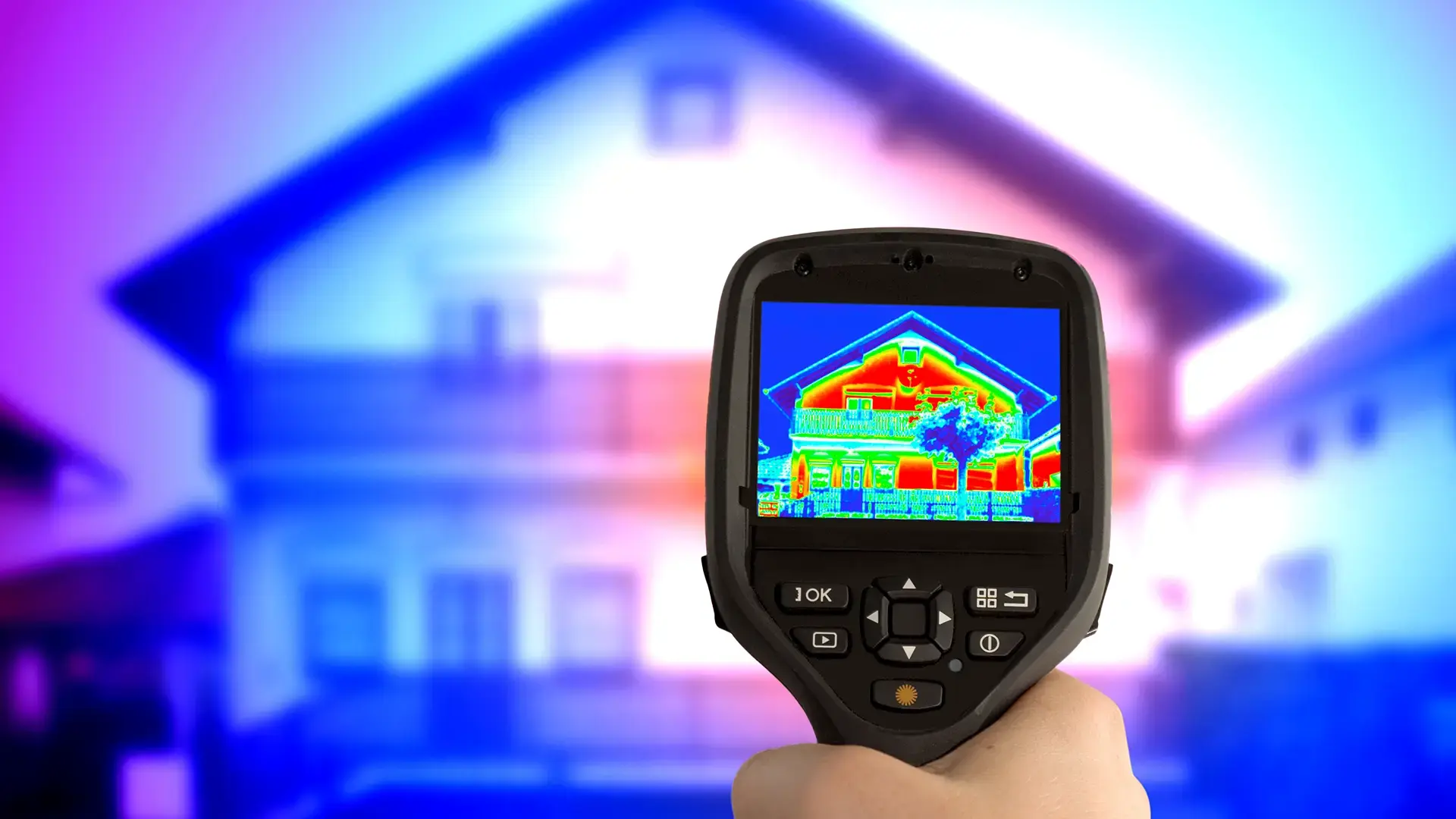
Hire a Professional Energy Auditor: A certified energy auditor uses advanced tools like thermal imaging cameras and blower door tests to provide a detailed efficiency report. Many utility companies offer rebates to offset the cost.
Check for Incentives: Many local utility companies and government programs offer rebates for home energy audits and upgrades.
If you're interested in getting started on your own, check out our DIY Energy Audit Guide for easy steps to assess your home’s energy efficiency.
Next Steps: Making the Most of Your Energy Audit
After your home energy audit, you’ll receive a customized report outlining steps to improve efficiency. Prioritize upgrades based on cost and potential savings. Common recommendations include:
Upgrading insulation to prevent heat loss.
Sealing air leaks around windows and doors.
Replacing outdated appliances with energy-efficient models.
Installing a programmable thermostat to optimize heating and cooling.
Prioritize these recommendations based on cost and potential savings, and explore financing options to make improvements more accessible.
The Bottom Line
A home energy audit is a simple yet effective way to reduce your energy bills, improve home comfort, and increase property value. Don’t wait—stop wasting energy with a professional home energy audit today!