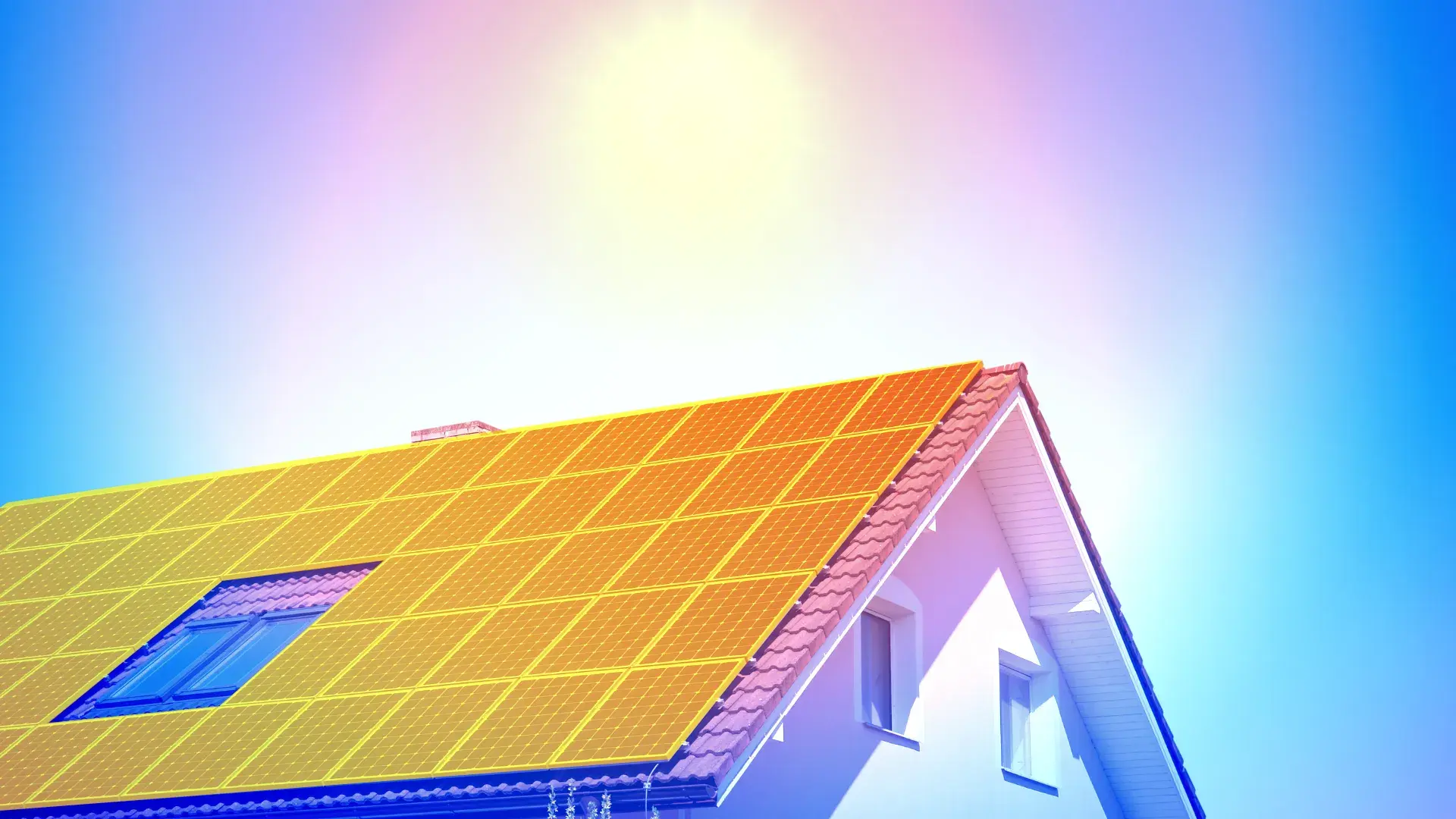
What’s Draining the Energy in Your Home?
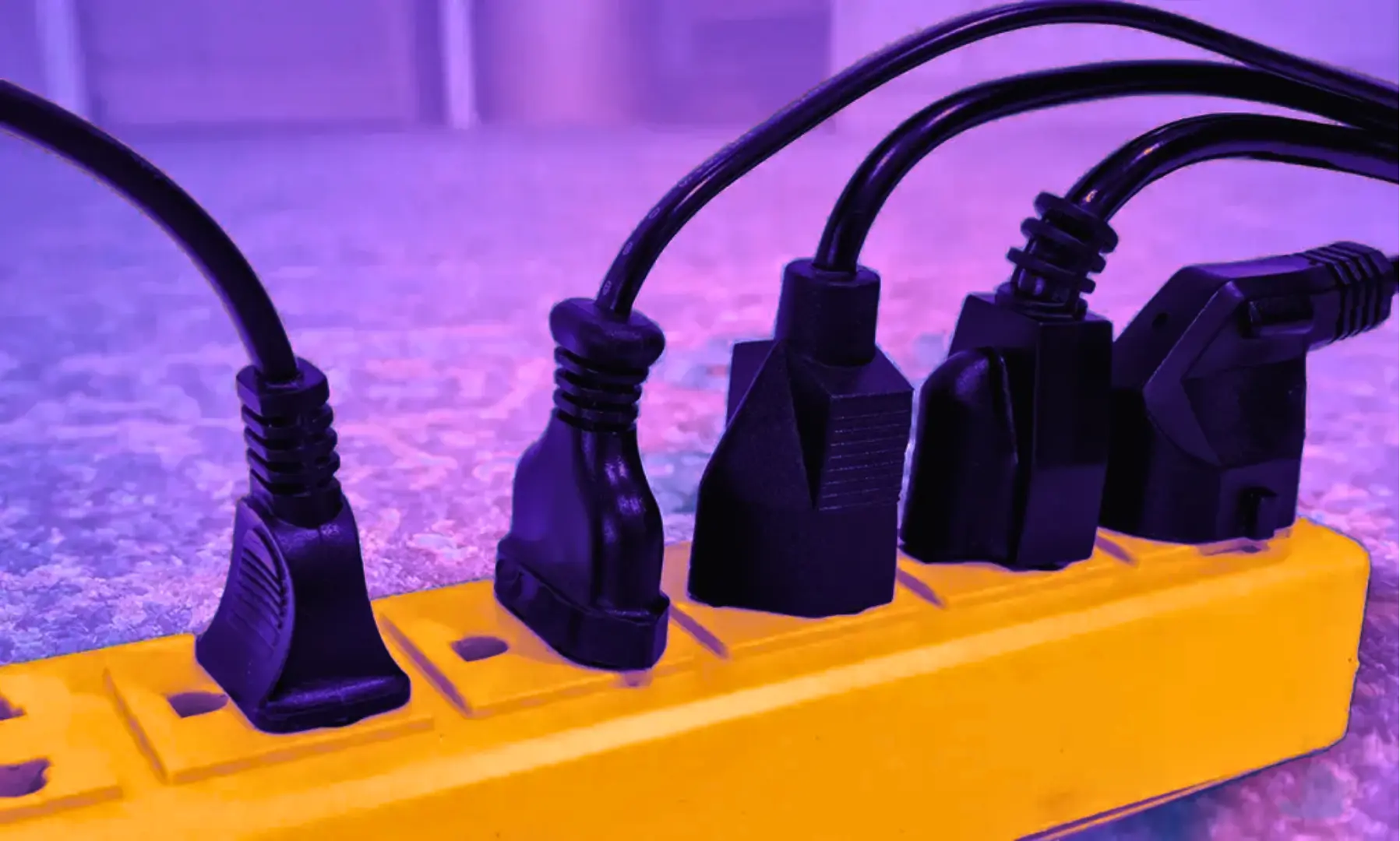
Find out what's draining your home's energy and driving up your bills. Our detailed guide explores the most common culprits that contribute to energy loss and offers practical tips to reduce waste, enhance efficiency, and potentially save money.
Key Takeaways
Identify energy vampires in your home to reduce waste and lower your utility bills.
Upgrade to energy-efficient appliances and lighting for potential savings.
Conduct a home energy audit to pinpoint issues and implement effective solutions.
High electricity bills aren’t always caused by running your air conditioner too much or leaving the lights on. Many homes lose money every month to hidden sources of wasted energy—often called “energy vampires.” These are devices, old equipment, or weak spots in your home that keep using power even when you don’t need them.
The good news: once you know where the waste is happening, you can fix it and save money.
What Are “Energy Vampires”?
“Energy vampires” is a nickname for common energy drains inside a home. They include outdated appliances, drafty windows, and electronics that stay plugged in even when they’re not in use. While the term sounds playful, the impact is serious—these hidden energy drains can add 10% or more to your monthly utility bill.
The Biggest Energy Drains in Homes Today
1. Old or Inefficient Appliances
Appliances like refrigerators, washing machines, and dishwashers that are 10–20 years old use much more energy than today’s models.
Why it matters: ENERGY STAR appliances can cut electricity use by about 20% and use about 30% less water.
How to save: Upgrade to energy-efficient models when possible. If not, run full loads and avoid overworking older appliances.
2. Drafty Windows & Doors
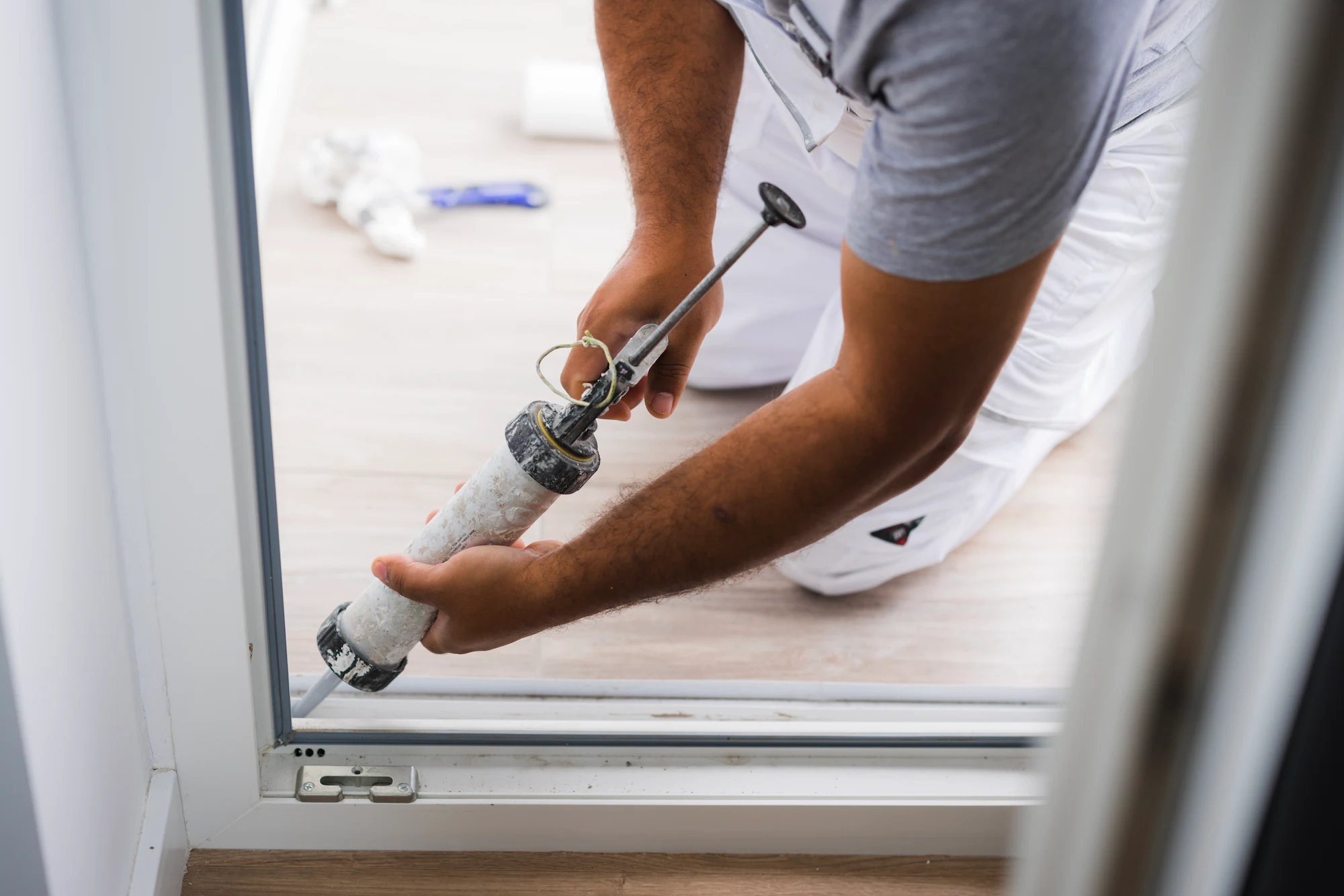
Gaps around windows and doors let heated or cooled air escape, which forces your HVAC system to work harder.
How to save: Use weatherstripping or caulk to seal leaks. If your windows are very old, consider upgrading to energy-efficient replacements.
Review some tips to identify when it may be time to replace your windows.
3. Phantom Loads
Electronics like TVs, chargers, and computers use power even when switched off. This “standby power” can account for up to 10% of your electric bill.
How to save: Unplug devices when not in use or use a smart power strip to cut power automatically.
Explore other smart home upgrades that reduce waste.
4. Poor Insulation
Homes with little or outdated insulation lose heat in the winter and cool air in the summer. That makes your heating and cooling systems run longer than necessary.
How to save: Upgrade your attic, garage and wall insulation using eco-friendly materials to improve comfort and reduce energy costs.
Check out how garage door insulation impacts home comfort and efficiency.
5. Outdated Lighting
If your home still uses traditional incandescent bulbs, you’re likely using more energy than necessary. These bulbs use a lot more electricity compared to energy-efficient alternatives like LEDs or CFLs.
How to save: Switch to energy-efficient lighting. LED or CFL bulbs use significantly less energy, last longer, and can help lower your electricity bills over time.
6. Old Thermostats
A thermostat that can’t adjust on a schedule may waste energy by keeping your home at the same temperature all day—even when no one’s home.
How to save: Upgrade to a programmable or smart thermostat. These devices learn your schedule and can be adjusted from your phone.
Smart thermostat benefits explained.

Bonus Tip: Schedule a Home Energy Audit
Every home has different problem areas. A home energy audit is the best way to find out where your house is losing energy. Professionals use tools like infrared cameras and blower doors to detect leaks and give you a customized plan to save.
Learn more about what to expect from a home energy audit.
Final Takeaway
Hidden energy drains, or “energy vampires,” are more common than most homeowners realize. From drafty windows to outdated appliances, these small issues can quietly raise your bills every month. By sealing leaks, upgrading old equipment, using smart technology, and considering a home energy audit, you can take back control of your energy use.