Is It Time for a Front Door Upgrade? 4 Signs You Shouldn’t Ignore
Is your front door showing its age? From sticky hinges to sky-high energy bills, these 4 warning signs could mean it’s time for an upgrade. Learn how replacing your front door can improve your home’s energy efficiency, security, and curb appeal.
Key Takeaways
A door that sticks or jams can signal bigger issues, like air leaks.
Drafts around your door can increase energy costs.
Water damage weakens your home’s security.
Your front door does more than welcome guests, it keeps your home safe, blocks out the weather, and adds that first bit of charm to your curb appeal. But over time, your door can start to show signs of wear and inefficiency. Here are four clear signs it’s time for a front door upgrade:
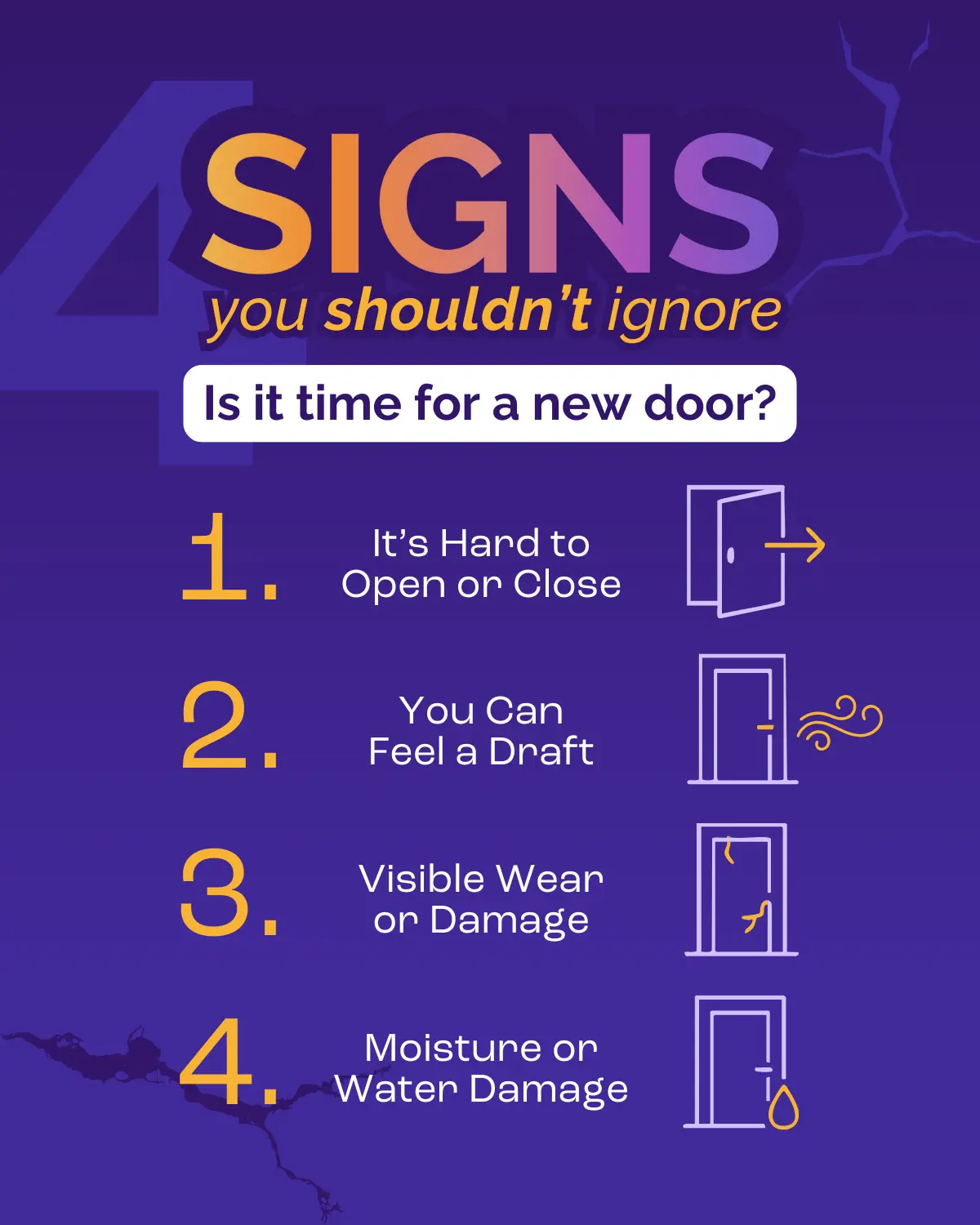
1. Your Door is Hard to Open or Close
If your front door sticks, jams, or takes extra muscle to move, it may be warped or misaligned. Over time, this can lead to poor insulation, letting air leak in and out—driving up your energy bills.
Pro Tip: A difficult-to-use door isn't just inconvenient—it could be affecting your HVAC system and costing you money.
2. You Feel Drafts or Temperature Swings
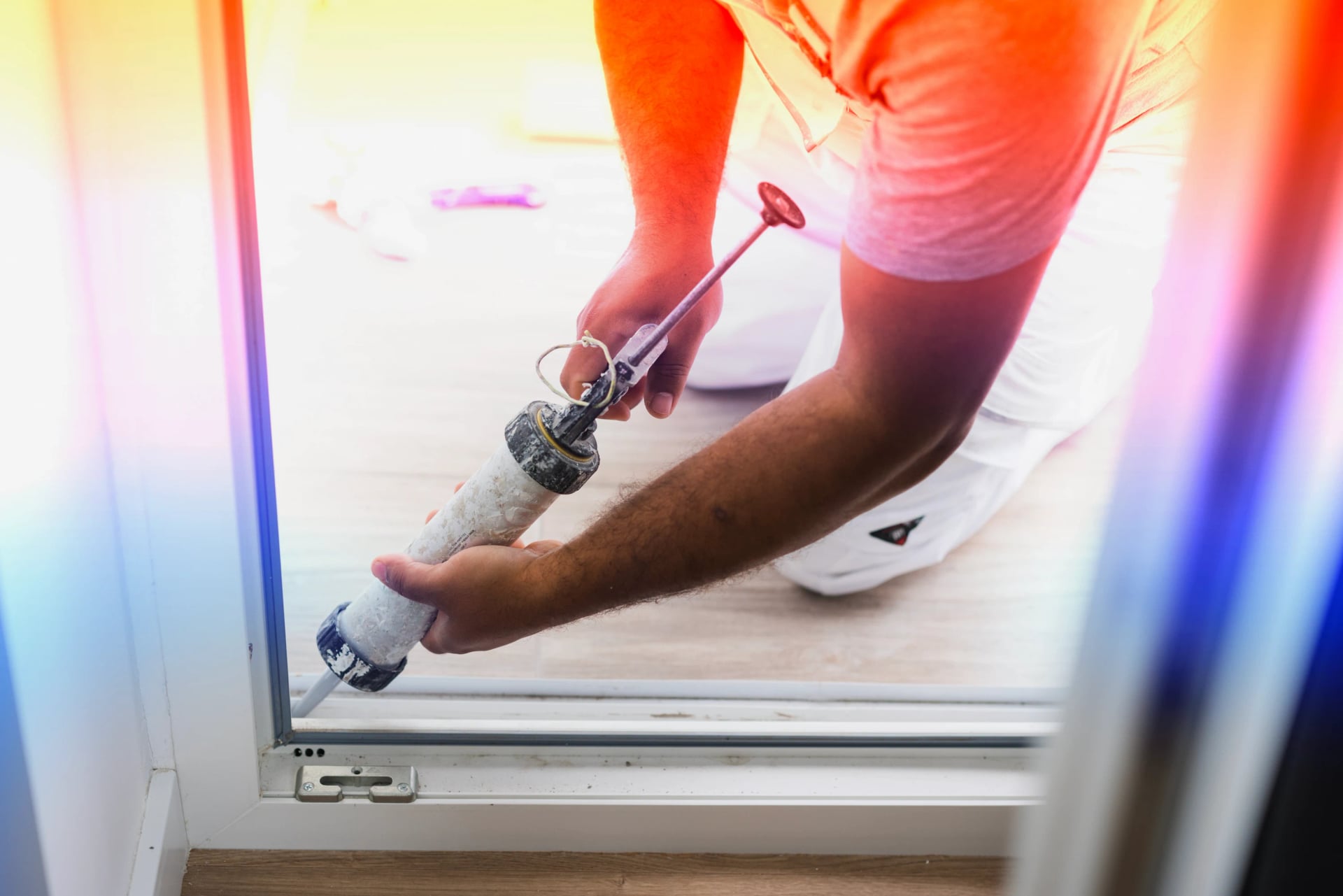
If you notice cold air in the winter or hot air in the summer near your door, it’s a sign it’s not sealing properly. Gaps in your door can lead to drafts, making your heating and cooling systems work harder.
Why it matters: Drafts are a major source of energy loss. The U.S. Department of Energy says sealing door leaks can cut heating and cooling costs by up to 20%. An energy-efficient door helps close those gaps and lower your utility bills.
3. There’s Visible Damage or Wear
Dents, scratches, cracks, or peeling paint aren’t just cosmetic issues — they can weaken the door and compromise your home’s security. A damaged door is more vulnerable to break-ins.
Homeowner insight: A secure home starts with a solid front door. Replacing a damaged one boosts peace of mind.
4. You Spot Moisture or Water Damage
Your door is meant to protect you from the weather, but after years of exposure to rain, snow, and sun, it may no longer be doing its job. Water leaks can damage the interior of your door frame and walls.
Quick check: Look at the base of your door and nearby trim. Warping or soft spots? Time to replace.
Why Upgrading Your Front Door Is a Smart Home Improvement
If you’ve noticed any of the signs above, don’t wait. Upgrading to a new front door offers more than a facelift—it’s an investment in your home's value and efficiency.
Improved Energy Efficiency: Energy-efficient doors use better insulation and sealing to keep drafts out. If your current door lets air in, your HVAC system works harder—and your bills rise. Not sure? A home energy audit can help identify the source of energy loss.
Stronger Security: The front door is one of the first things people notice. Whether you're listing your home or just want a fresh look, replacing the door can instantly elevate your home’s aesthetic.
Increased Home Value: According to the 2025 Remodeling Impact Report, replacing your front door with a new steel model can offer a 100% ROI—making it a smart, high-impact upgrade for homeowners planning to sell.
Ready for a New Door?
If you’re seeing any of these signs, it might be time to replace your front door. A new, energy-efficient door can boost your home’s security, curb appeal, and comfort. Plus, it’s an easy way to improve your home’s value and make a big first impression!