Fall Home Maintenance Checklist: 8 Energy-Saving Tips for Homeowners
Fall home maintenance can save you money and keep your home comfortable all season. By adjusting your thermostat, sealing drafts, servicing your heating system, and tackling a few quick tasks, you can lower your bills, prevent costly repairs, and enjoy a warm, safe home this winter.
Key Takeaways
Lower heating bills by adjusting thermostats and using smart controls.
Seal drafts and maintain heating systems to boost home efficiency this fall.
Protect your home with gutter cleaning, roof checks, and detector tests.
Updated July 2026
Why does fall home maintenance matter?
This fall, with residential electricity prices up about 7% over the past year — to roughly 18.8¢/kWh nationally (U.S. Energy Information Administration) — homeowners have a great opportunity to take simple steps that lower bills and create a more comfortable, efficient home. Acting now helps you:
Lower heating costs before colder weather sets in
Stay comfortable as temperatures dip in the evenings
Protect your home from seasonal rain, falling leaves, and early storms
Extend the life of your heating system before peak winter use
1. Adjust Your Thermostat Settings
A small change can mean big savings. Lowering your thermostat by just a few degrees when you’re away or asleep can have a noticeable impact on your energy bills.
Why it works: Turning your thermostat back 7°–10°F for 8 hours a day can save as much as 12% a year on heating costs.
Pro Tip: Use a programmable or smart thermostat so your home stays cozy when you’re there and saves energy when you’re not.
2. Service Your Heating System
Keep your heater running efficiently. Regular maintenance ensures your furnace or heat pump operates safely and effectively all season long.
Why it works: A clean, well-maintained system runs more efficiently and keeps your home warmer with less energy.
Pro Tip: If your heating system is 10+ years old, consider upgrading to a high-efficiency model. You’ll notice the savings over time.
3. Seal Windows and Doors
Don’t let warm air escape. Drafts around windows and doors can make your heater work overtime, increasing energy costs.
Why it works: Drafts let warm air escape, forcing your heater to work harder. Sealing them can lower heat loss by up to 25%–30%.
Pro Tip: Add insulated curtains or thermal shades for extra warmth.
4. Reverse Ceiling Fans
Let warm air circulate. By switching your ceiling fans to rotate clockwise on a low speed, you can push warm air back down into the room.
Why it works: This pushes warm air (which naturally rises) back down into the room, keeping you comfortable without raising the thermostat.
Pro Tip: Use fans in rooms you spend the most time in for targeted comfort.
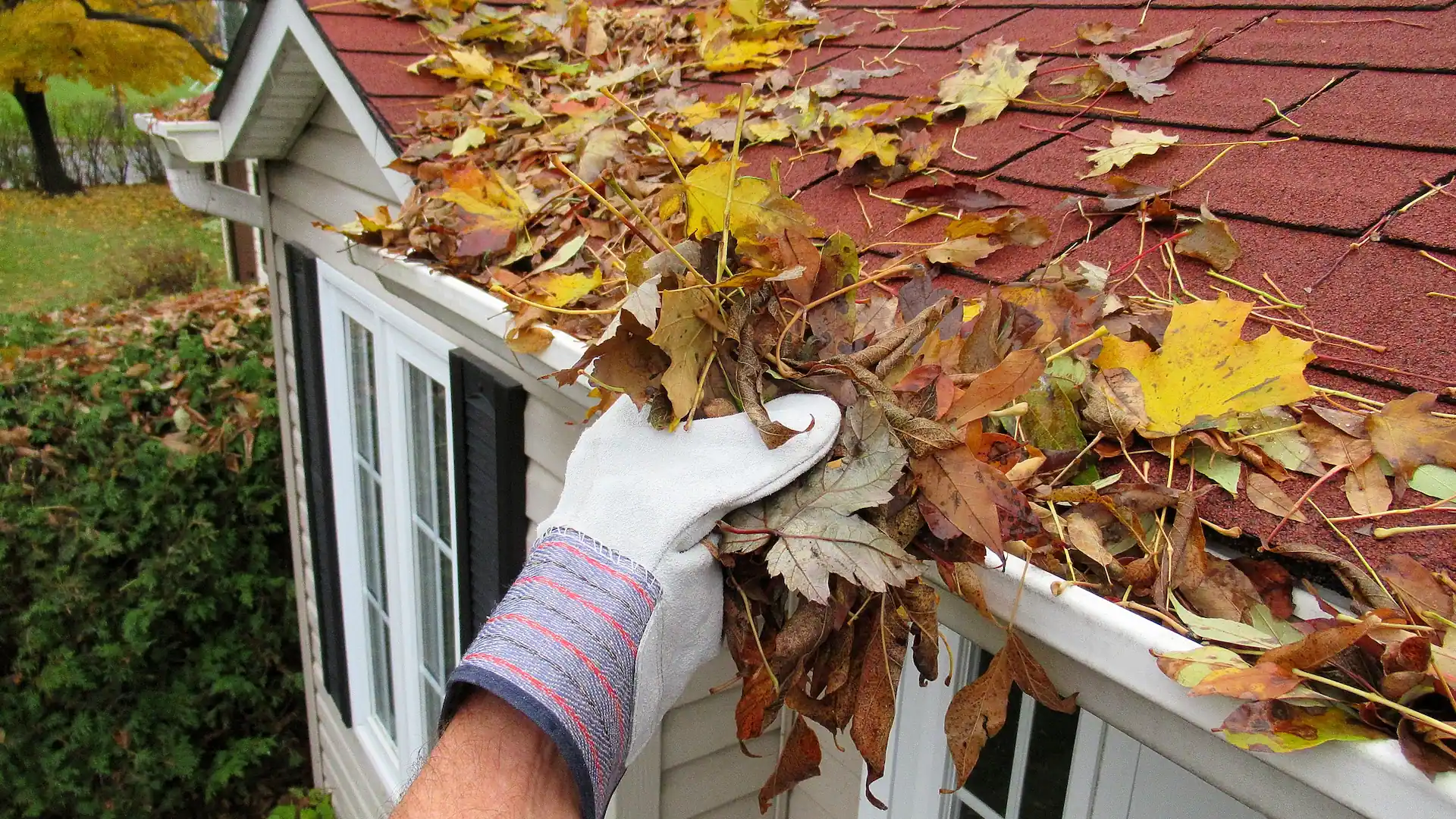
5. Clean Gutters and Downspouts
Protect your home from water damage. Clearing leaves and debris now prevents clogs that could lead to costly repairs later.
Why it works: Clear gutters reduce the risk of water damage and ice dams in winter.
Pro Tip: Install gutter guards to cut down on future cleanups.
6. Inspect Your Roof and Chimney
Check for hidden problems before they get worse. A quick inspection can prevent leaks and safety hazards.
Why it works: A well-sealed roof prevents leaks, and a clean chimney reduces fire hazards while improving heating efficiency.
Pro Tip: Add a chimney cap to keep critters (and cold air) out.
7. Test Smoke and Carbon Monoxide Detectors
Safety first. Heating systems and fireplaces increase the risk of smoke and CO exposure—working alarms keep your family protected.
Why it works: Heating systems and fireplaces increase the risk of carbon monoxide exposure, so working detectors keep your family safe. Regular testing ensures your alarms are functioning correctly when you need them most.
Pro Tip: Consider smart detectors that send alerts to your phone.
8. Prepare Outdoor Spaces
Protect your exterior and prevent damage. Winterizing your yard and outdoor equipment now saves headaches later.
Why it works: Disconnecting hoses, shutting off exterior faucets, and storing patio furniture prevents frozen pipes and protects your outdoor items.
Pro Tip: Cover outdoor furniture with weatherproof covers if storage space is limited.
Want to Go Further?
👉 Explore our DIY Energy Audit Guide for a room-by-room breakdown.
👉 Thinking long-term? GoodLeap financing options make smart thermostats, high-efficiency systems, and other upgrades accessible without upfront costs.
Prepping your home this fall doesn’t have to be overwhelming. A few smart tweaks can make your space warmer, safer, and more energy-efficient, so you can enjoy a cozy, cost-efficient home all season long.
Frequently Asked Questions
How can I lower my heating bill this winter? Start with low-cost steps: lower your thermostat 7°–10°F while away or asleep (up to 10% savings per year, per the DOE), seal drafts around windows and doors, and service your heating system so it runs efficiently. For bigger savings, consider upgrading to a high-efficiency heating system, which GoodLeap can help you finance.
Which way should ceiling fans spin in the winter? Clockwise, on a low speed. Warm air rises, and running fans clockwise gently pushes it back down into the room — keeping you comfortable without raising the thermostat.
How much can sealing drafts around windows and doors save? Sealing drafts can reduce heat loss by up to 25%–30%, which lowers how hard your heater has to work. Weatherstripping, caulk, and insulated curtains are inexpensive fixes; new windows, doors, and insulation are longer-term upgrades GoodLeap finances through participating contractors.
What temperature should I set my thermostat to in winter? The DOE suggests around 68°F while you're awake and home, and lower while you're asleep or away. A programmable or smart thermostat makes these setbacks automatic.