
Feeling Drafty? 5 Key Indicators You’re Ready for a Window Replacement

Discover 5 key signs it’s time to replace your windows, including drafts, condensation, rising energy bills, and more. Learn practical window replacement tips to improve comfort, lower costs, and upgrade to energy-efficient windows.
Key Takeaways
Drafts and leaks mean it's time for a window replacement to save on energy costs.
Hard-to-open windows pose safety risks—replace them for better function and security.
Condensation between panes signals failed seals—upgrade to energy-efficient windows.
Is your home starting to feel a little draftier than usual? Have your energy bills crept up? If so, your windows might be to blame.
Windows don’t just provide natural light—they play a major role in your home’s comfort, energy efficiency, and security. Like anything in your home, windows don’t last forever. So how can you tell when it’s time to replace them?
Here are five clear signs your windows need replacing, plus tips to help you make smart, energy-saving upgrades.
1. You Feel a Draft—Even When the Windows are Closed
If you notice a breeze coming through a fully closed window, that’s a clear sign of air leakage. That draft is letting your heated or cooled air slip right out—forcing your HVAC system to work harder and costing you more on your energy bill.
🪟Window Replacement Tip: To test for drafts, hold a candle or incense stick near the window frame on a breezy day. If the flame or smoke flickers, you’ve got a leak. Weatherstripping may help temporarily, but replacing your windows with energy-efficient options is the best long-term fix.
2. Difficulty Opening and Closing Windows
Struggling to open or close your windows? That’s more than an annoyance—it can be a safety concern. Stuck windows are often caused by warped frames, worn-out hardware, or moisture damage.

🪟Window Replacement Tip: While a bit of maintenance might offer a short-term fix, replacing the window ensures long-term comfort, security, and ease of use. New energy-efficient windows offer smoother operation, better insulation, and a fresh look for your home’s exterior.
3. You See Condensation Between the Glass Panes
Noticing fog, moisture, or a hazy film between the glass panes? That’s a telltale sign the window seal has failed. When this happens, the insulating gas between the panes escapes—reducing your window’s energy efficiency and allowing outside air and moisture to seep in. Over time, this can lead to excess humidity, moisture buildup, and even mold growth inside your window frame.
🪟Window Replacement Tip: The good news? Upgrading to modern, energy-efficient windows with improved seals and multiple panes can fix the issue for good. Not only will you eliminate foggy glass, but you’ll also enjoy better insulation, lower energy costs, and a clearer view every day.
4. Your Energy Bills Are Higher Than Usual
If your energy bills are steadily rising—especially without changes in your usage—your windows might be letting heat escape in the winter and seep in during the summer. Single-pane or aging windows are often the biggest culprits when it comes to energy loss.
🪟Window Replacement Tip: Installing energy-efficient windows can significantly reduce heat transfer, helping your HVAC system work less and lowering your monthly bills. While the upfront cost can be a factor, many homeowners choose to finance their upgrades, making the transition more budget-friendly.
5. Visible Damage and Decay
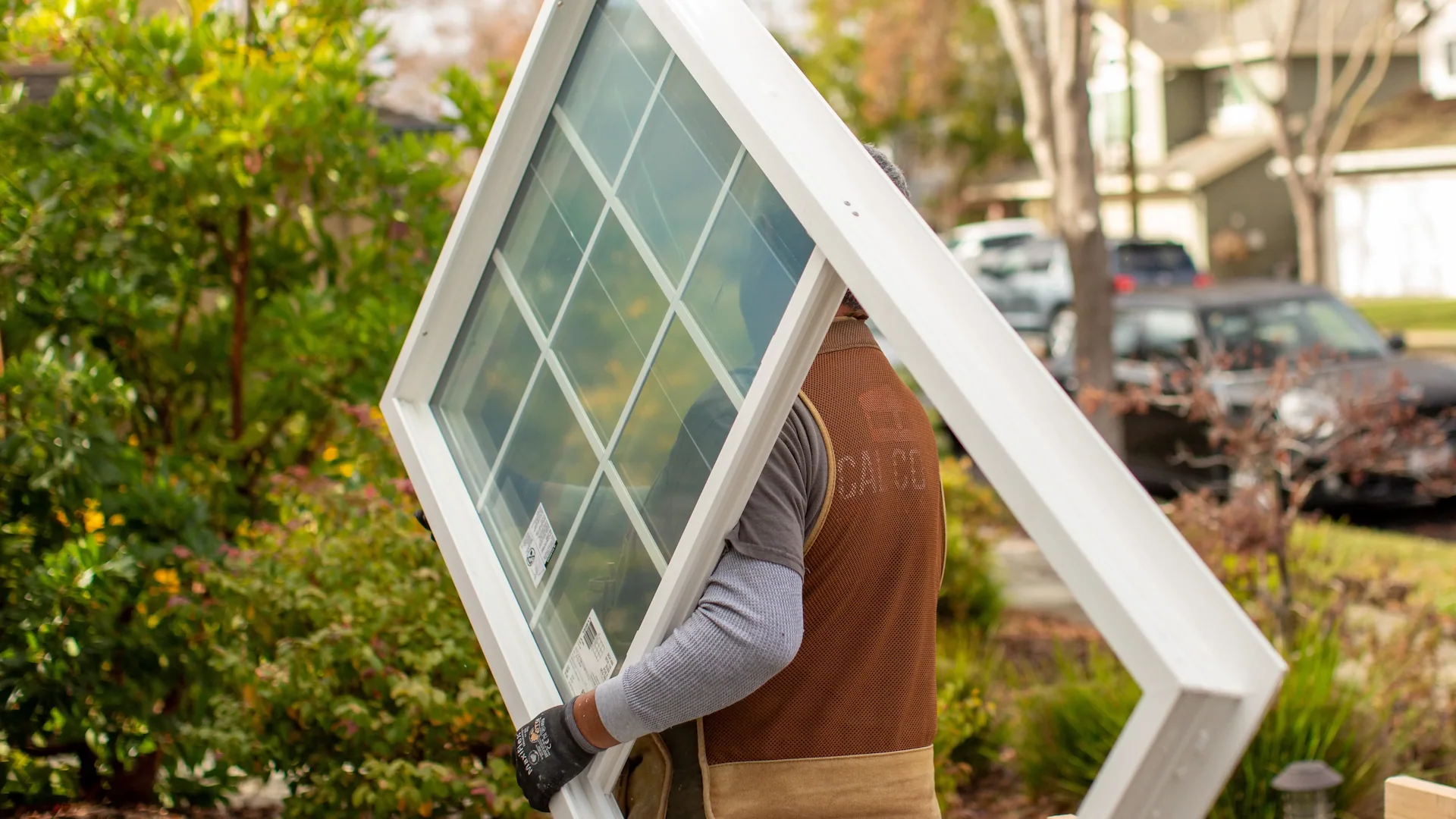
Rotting wood, warping, cracked glass, or damaged frames are all signs your windows are past their prime. Beyond being an eyesore, damaged windows reduce insulation, let in moisture, and may compromise your home’s structure.
🪟Window Replacement Tip: Upgrade to windows made from durable materials like vinyl or fiberglass. These options require less maintenance, offer better insulation, and help you avoid repeat repairs—while improving your home’s curb appeal.
Ready for an upgrade?
If you’re noticing signs like drafts, hard-to-open windows, rising bills, or visible damage, it’s probably time to consider a window replacement. The right upgrade can help you stay comfortable year-round, reduce your energy use, and add long-term value to your home—all while giving you peace of mind.
Looking for other ways to make your home more energy efficient? A Home Energy Audit can help assess inefficiencies and help with cost-saving options. Click here to learn more.